
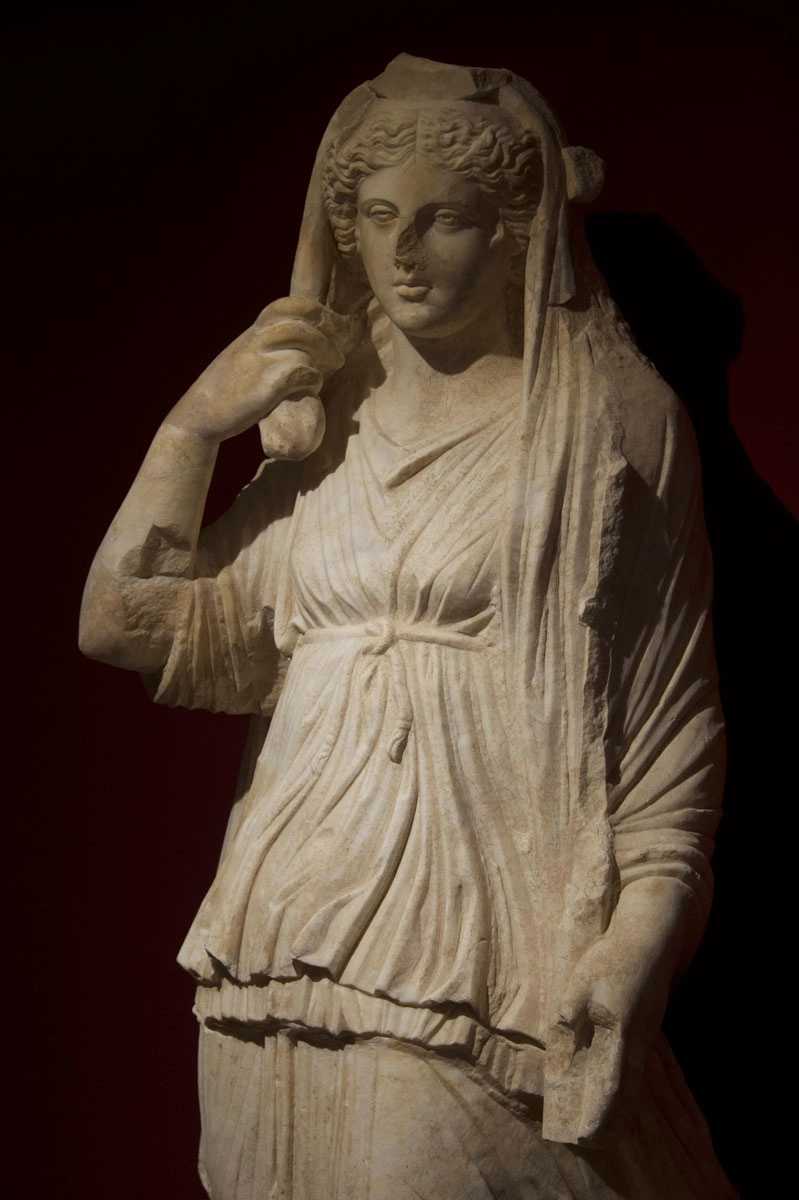
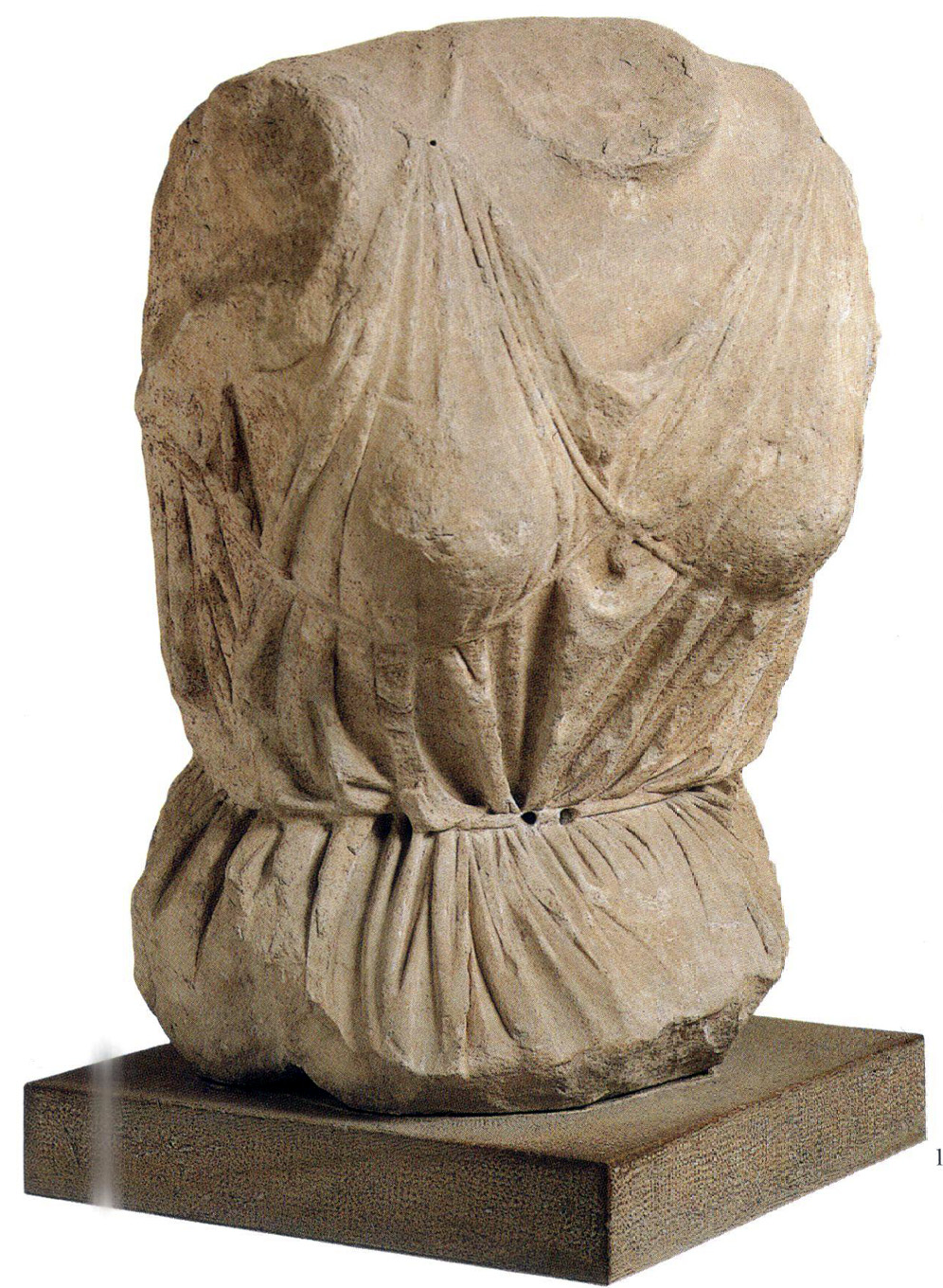
This headless female statue belongs to Selene. The goddess, depicted down to her waist, dives into the sea driving her chariot (Ακρ. 19053) to the west. She is dressed in a belted peplos above which falls her short epiblema. The straps that cross her chest keep her garment in place against the force of the wind. The holes around her waist once received her bronze belt buckle and those on her shoulders the pins that held her garment.
Goddesses of Anatolia · The Moon
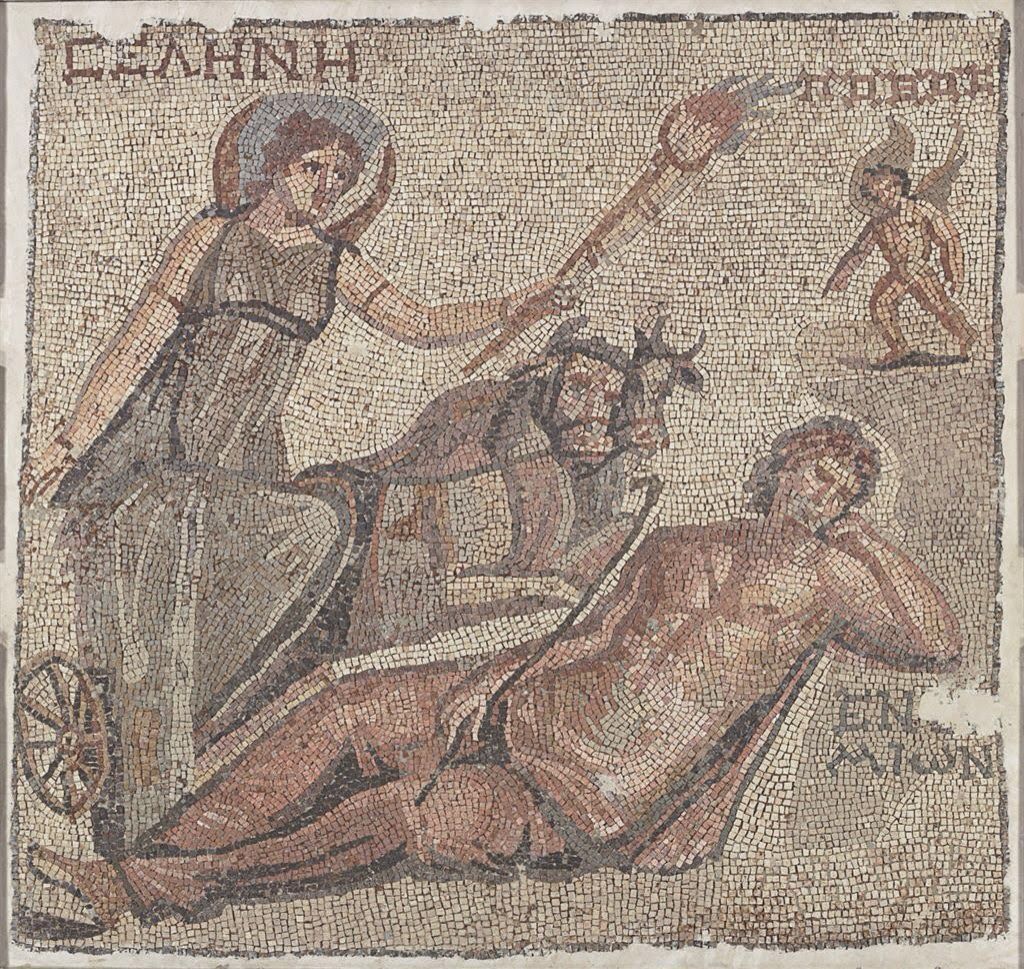
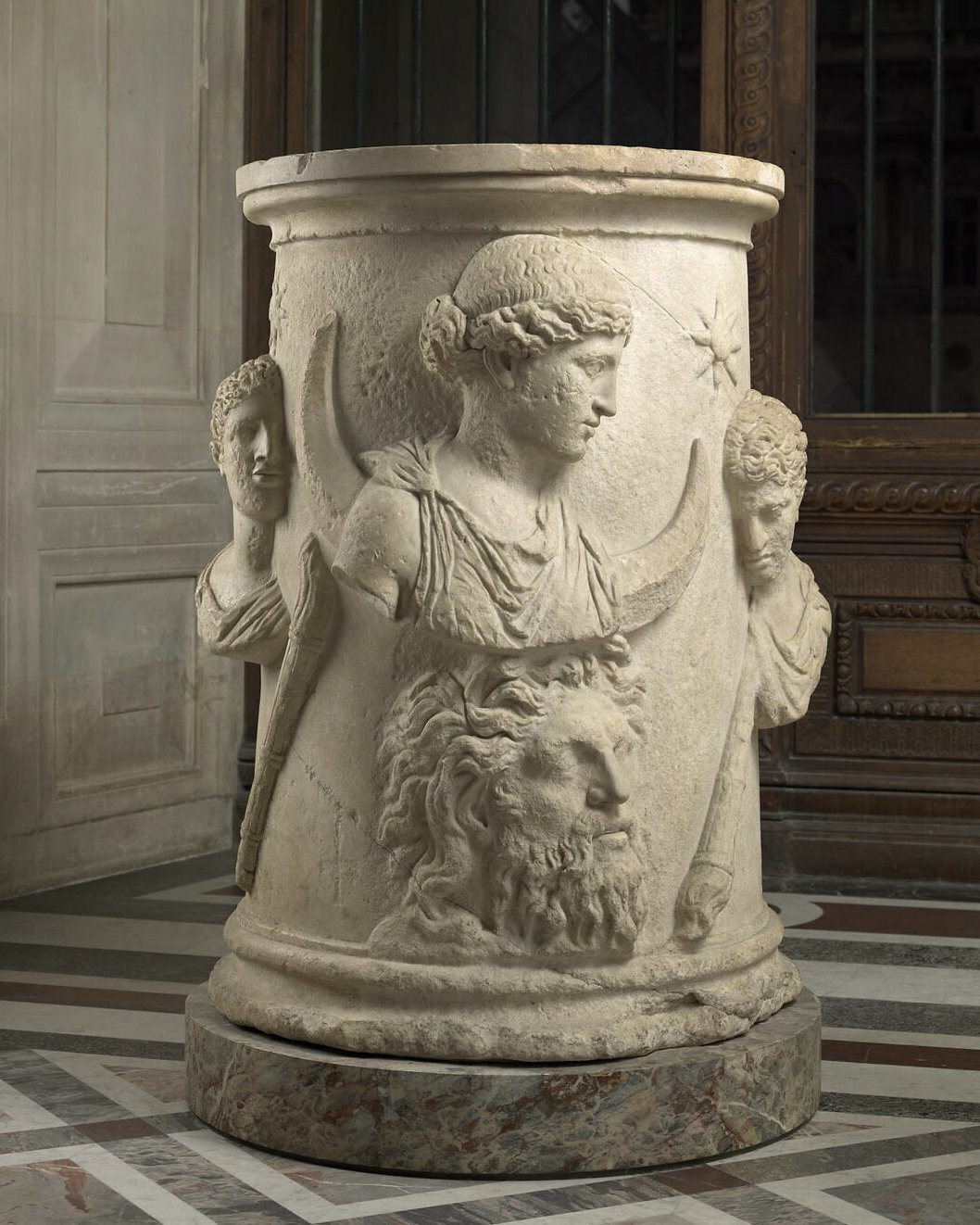
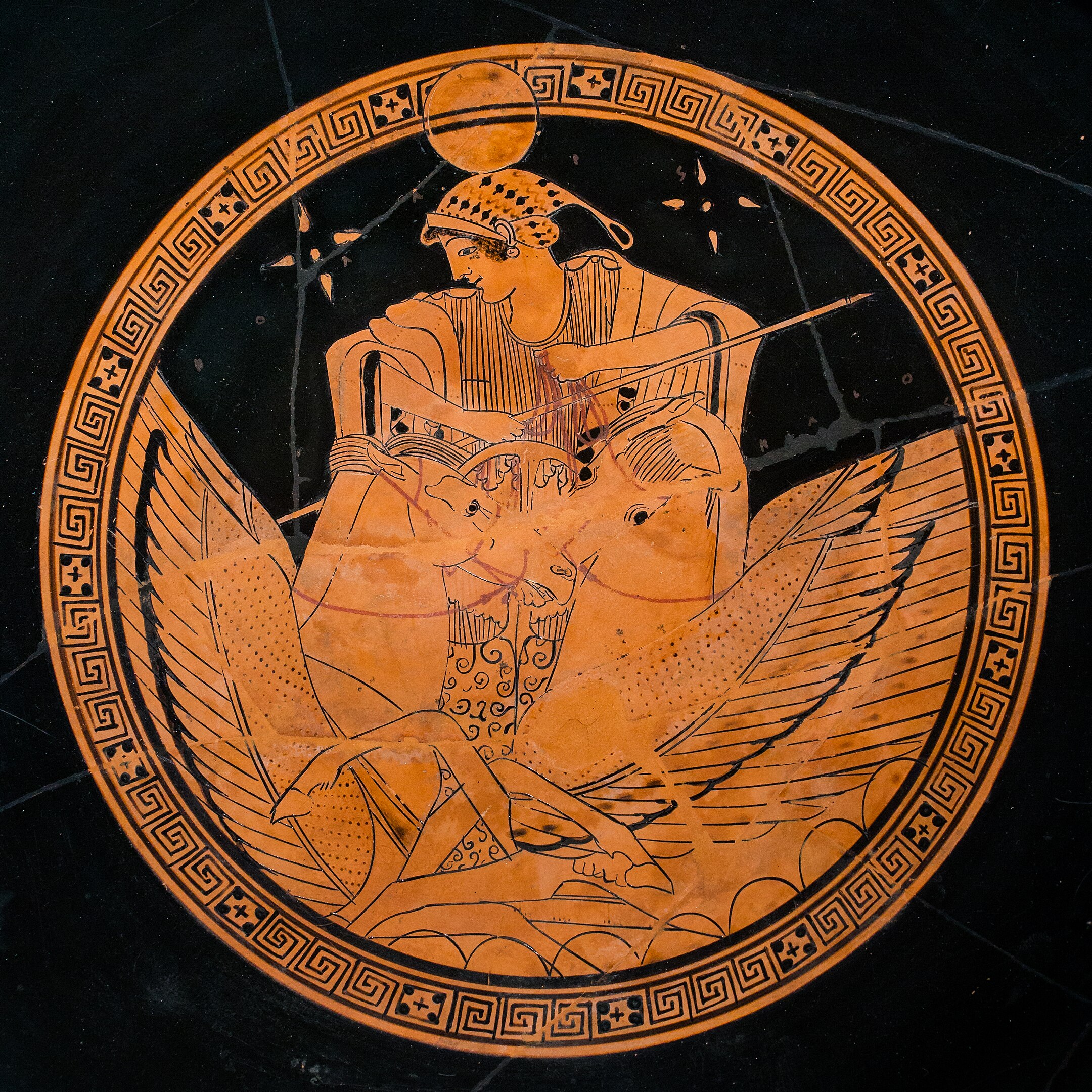
Selene is the moon herself. In Greek myth she is the sister of Helios, the sun, and Eos, the dawn, and every night she drives her silver chariot across the sky.
- Who: the moon, sister of the sun and the dawn
- Her story: the shepherd Endymion on Mount Latmos
- Place: Herakleia under Latmos, above Lake Bafa
- Her light: soft, waxing and waning, always returning
Endymion, the eternal sleeper
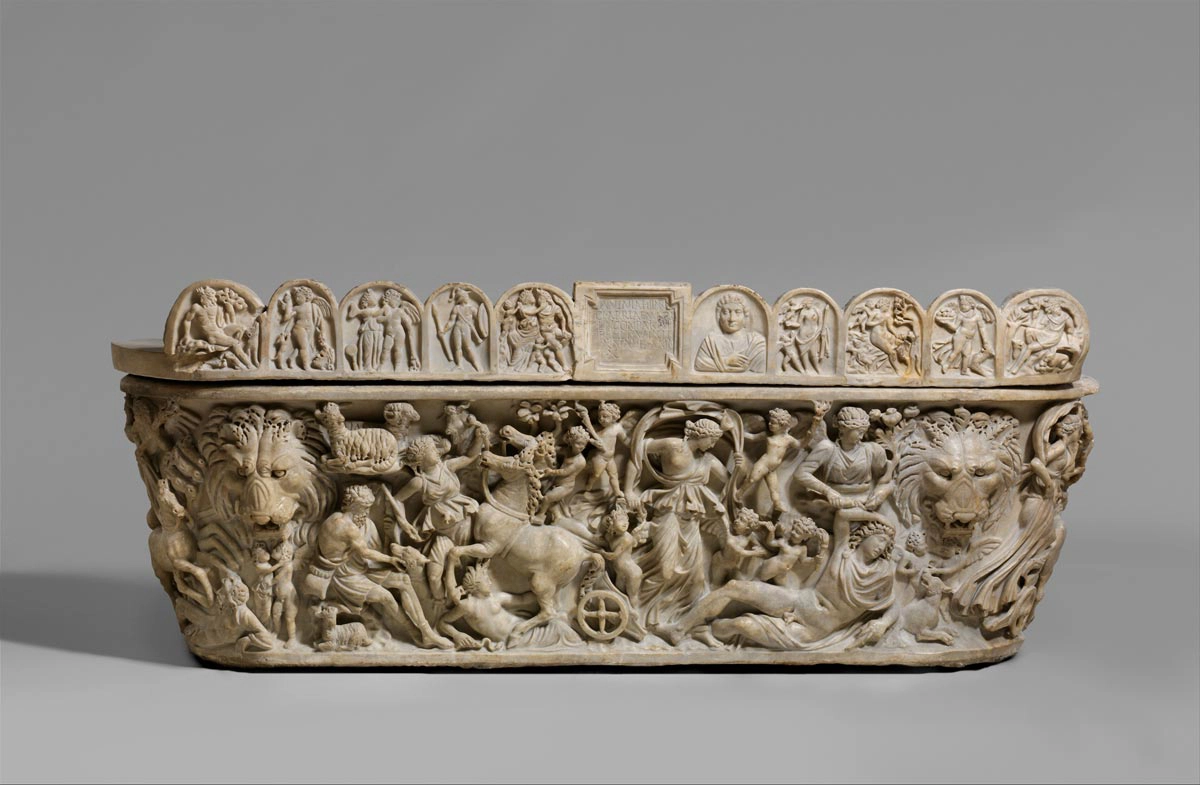
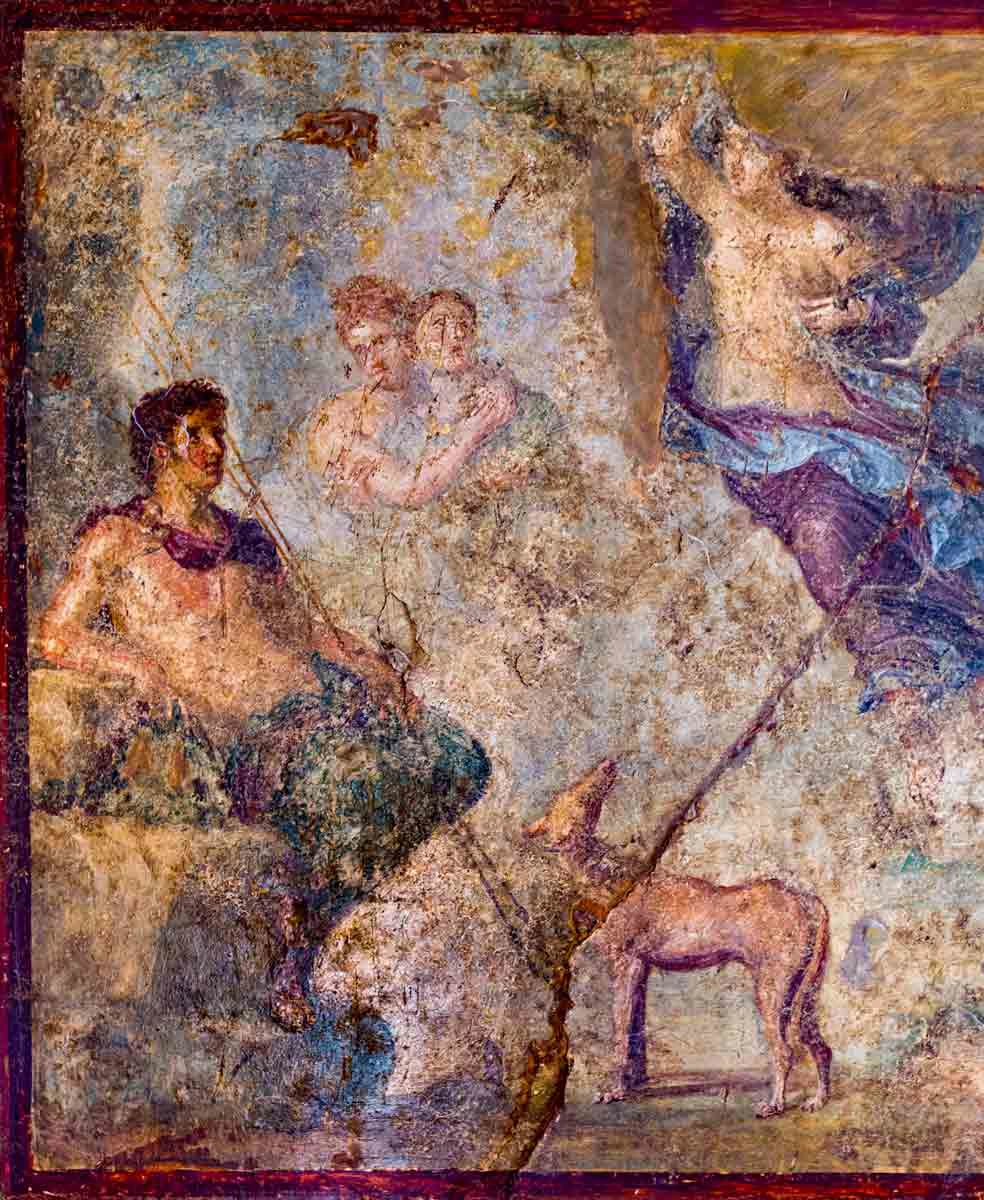
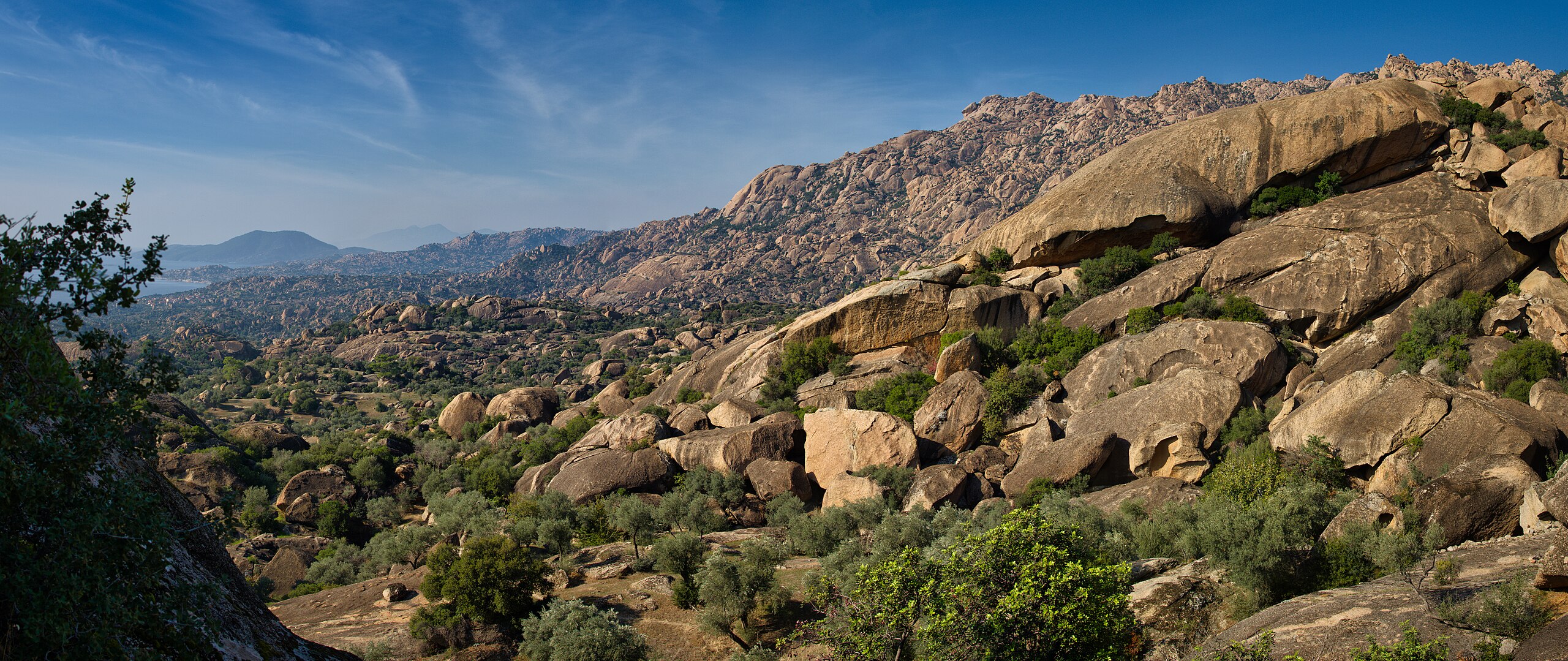
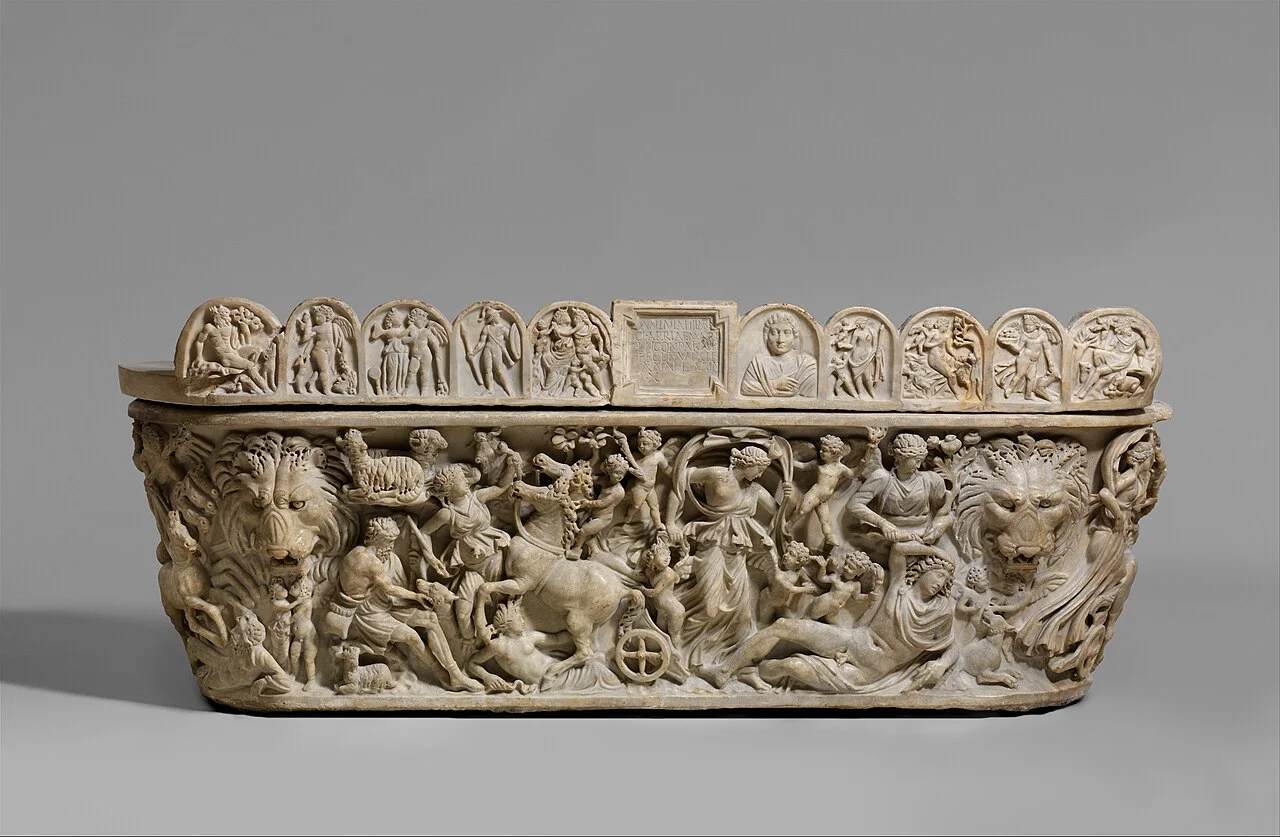
Her most famous story belongs to our region. On Mount Latmos, above Lake Bafa, lived the shepherd Endymion. Selene saw him sleeping in a cave and fell in love. So that she could visit him night after night, he was granted an eternal sleep, forever young, forever dreaming.
At ancient Herakleia under Latmos a sanctuary of Endymion can still be seen, built into the rock below the mountain.
A different kind of light
Selene reminds us of a different kind of light: not the bright, demanding light of day, but a soft light that lets things rest, waxes and wanes, and always returns. Many ancient people measured their months, their festivals and the rhythm of women’s lives by her.
On our journeys we try to be at Latmos when the moon rises over the granite peaks. Then the old story needs no explanation.


