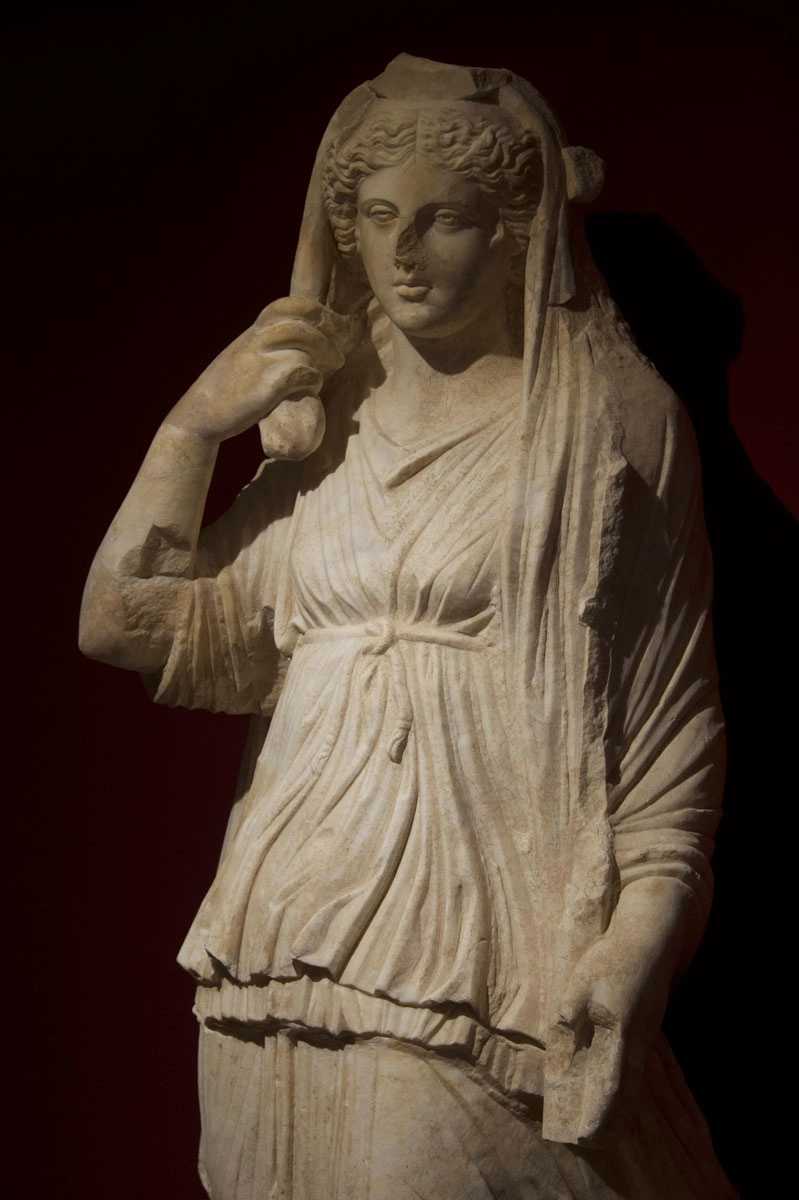
Long before the great cities rose, the people of Anatolia honored the divine in female form: as Mother of the mountains, Lady of the wild animals, keeper of the crossroads, bringer of grain and of spring. Each goddess here is a doorway. Step through, and meet her in her own landscape.
She was everywhere
The Goddess Around the World
Watch the Earth turn and the Goddess rise, wherever people found her – from Ice Age caves to Arctic seas, from Malta to the Andes, from India to Hawaiʻi. 55 goddesses across 40,000 years: each one appears in gold, then turns into the real find.
Image credits
After the journey
What the Goddess Tells Us
Look at them all together, and something remarkable appears: the oldest image of a human being ever found is a woman.
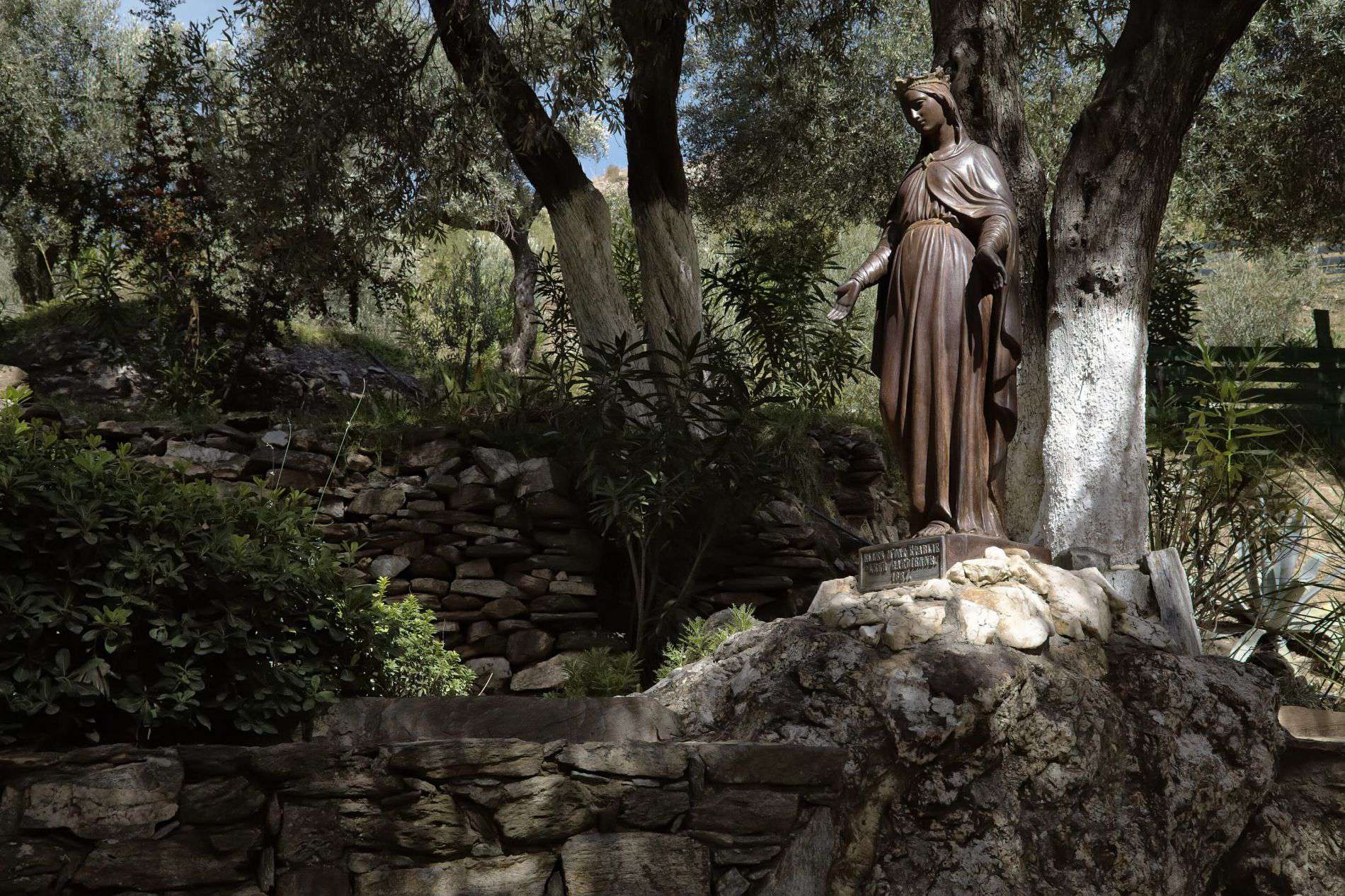
For tens of thousands of years, on every continent, people shaped her in ivory, clay and stone – long before they wrote a single word. And she never really disappeared. She simply changed her name and her dress. Matar became Cybele, Cybele stood beside Artemis, and in Ephesus – in the very city of Artemis – Mary was named Mother of God. Tonantzin became Guadalupe. Yemọja crossed the ocean with those who had to leave everything behind.
Scholars still debate what each figure meant: a goddess, an ancestor, an amulet, a woman’s own likeness. But wherever people asked where life comes from and where it returns, they gave the sacred – again and again – a woman’s face.
Today she returns where she began: as the Earth herself, the living ground that carries us all.
That is why Ephesus is so special. Here you can walk the whole story in a single landscape – from the Great Mother of Anatolia to Artemis to Mary. Not the ruins of a lost faith, but a presence that has never left. She has only kept changing her dress.
Walk her story with us