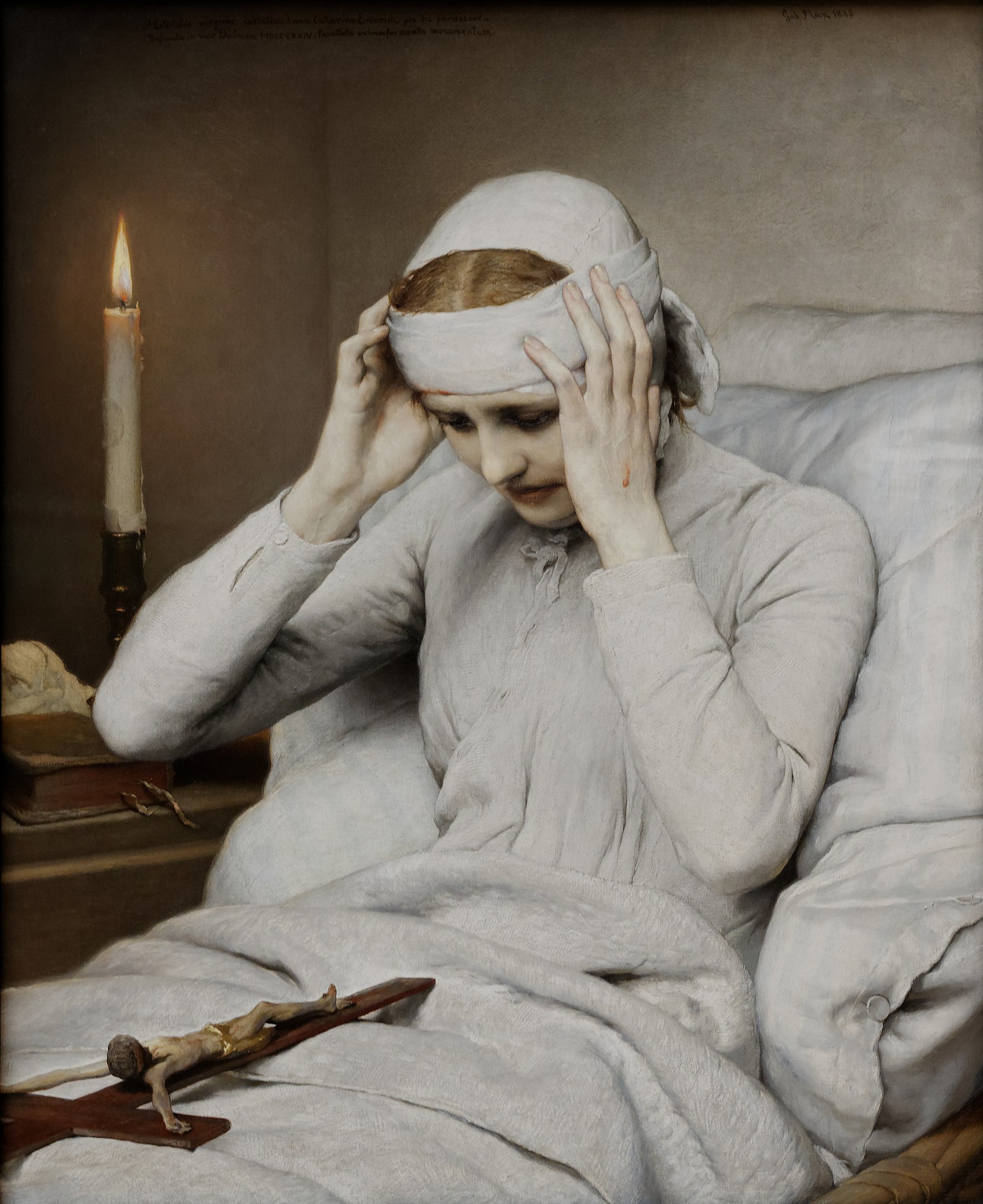
The German nun whose painful visions lead us to Mother's Mary Home in the hills above Ephesus
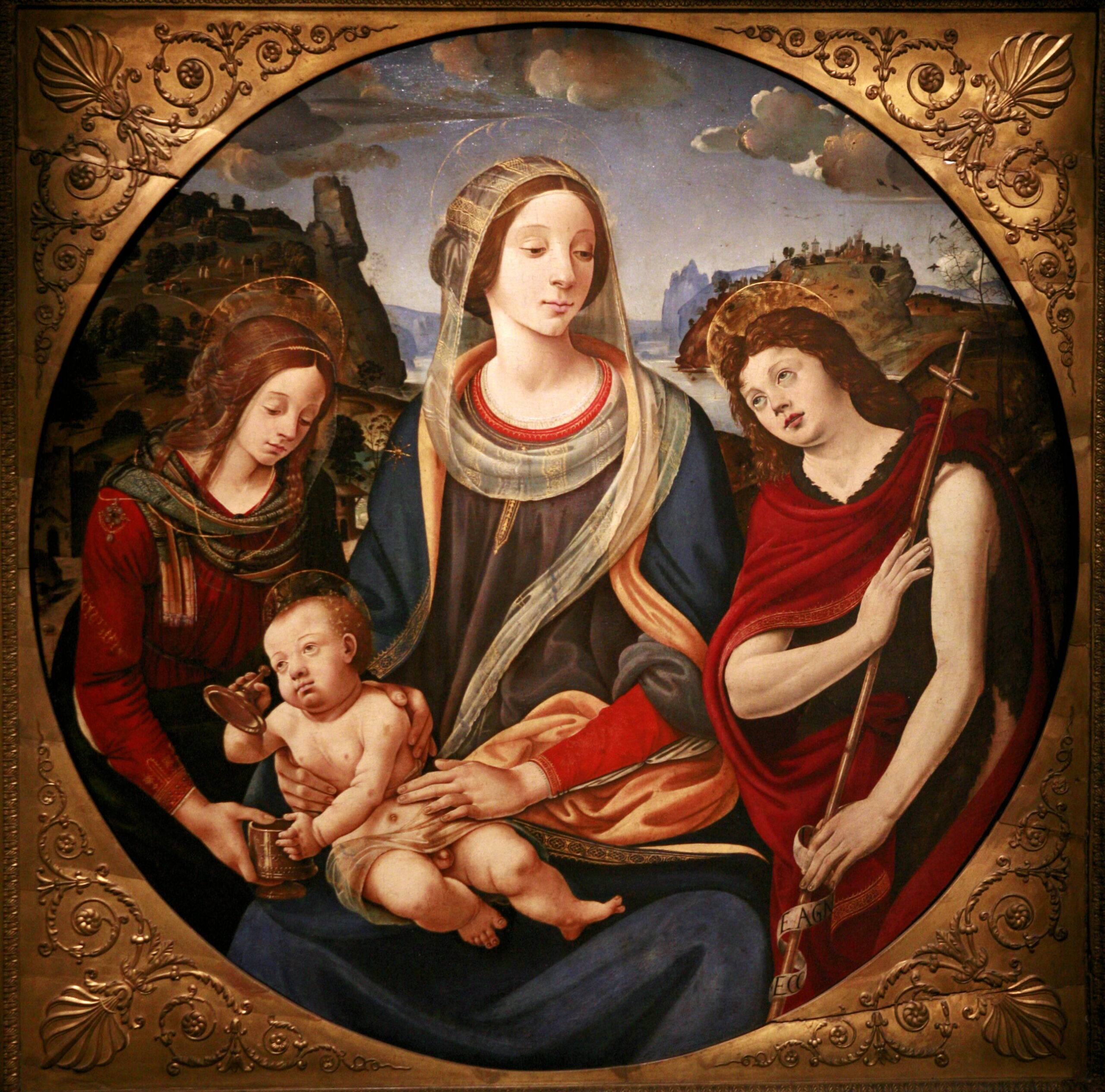
Attributed to Piero di Cosimo (1462–1522)
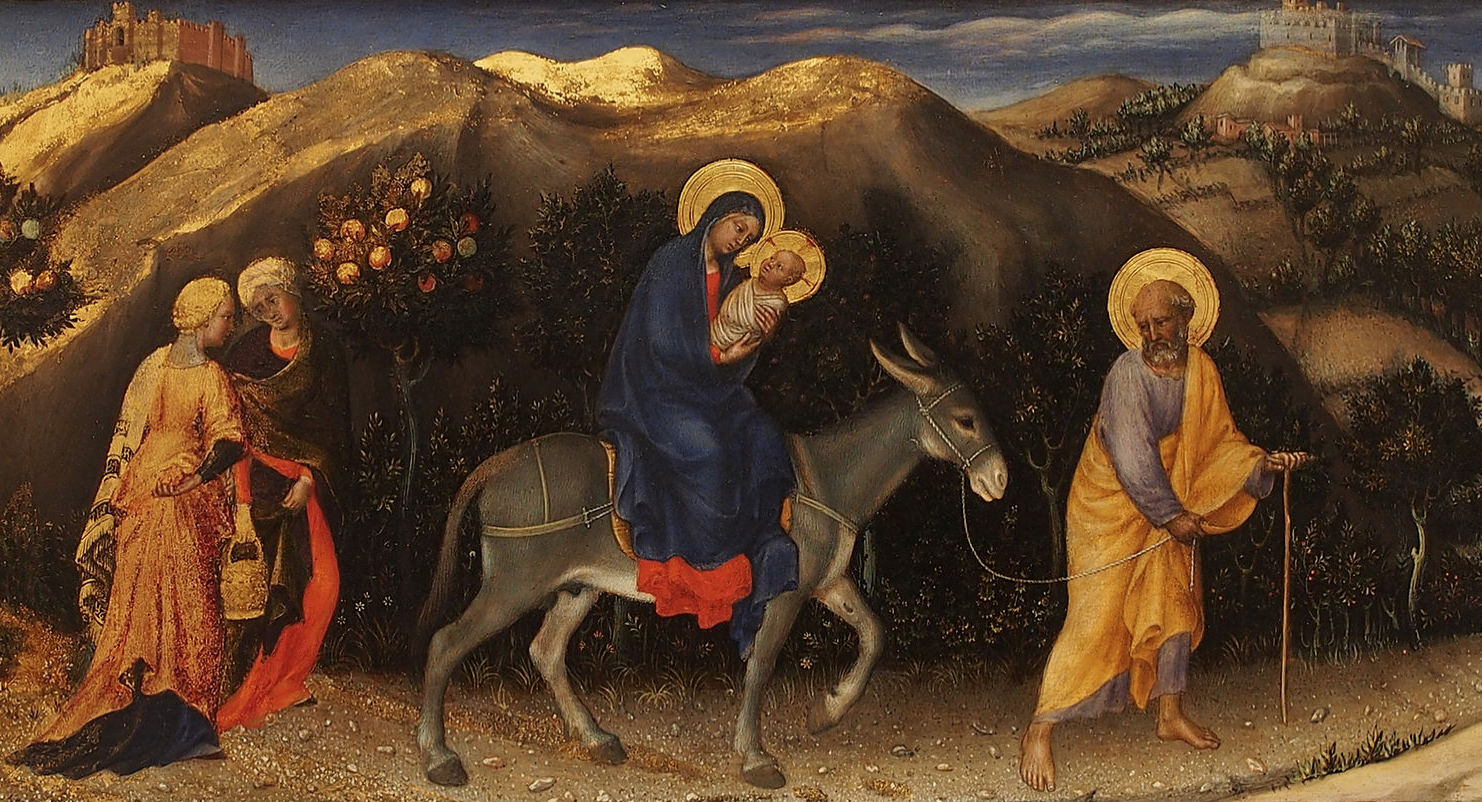
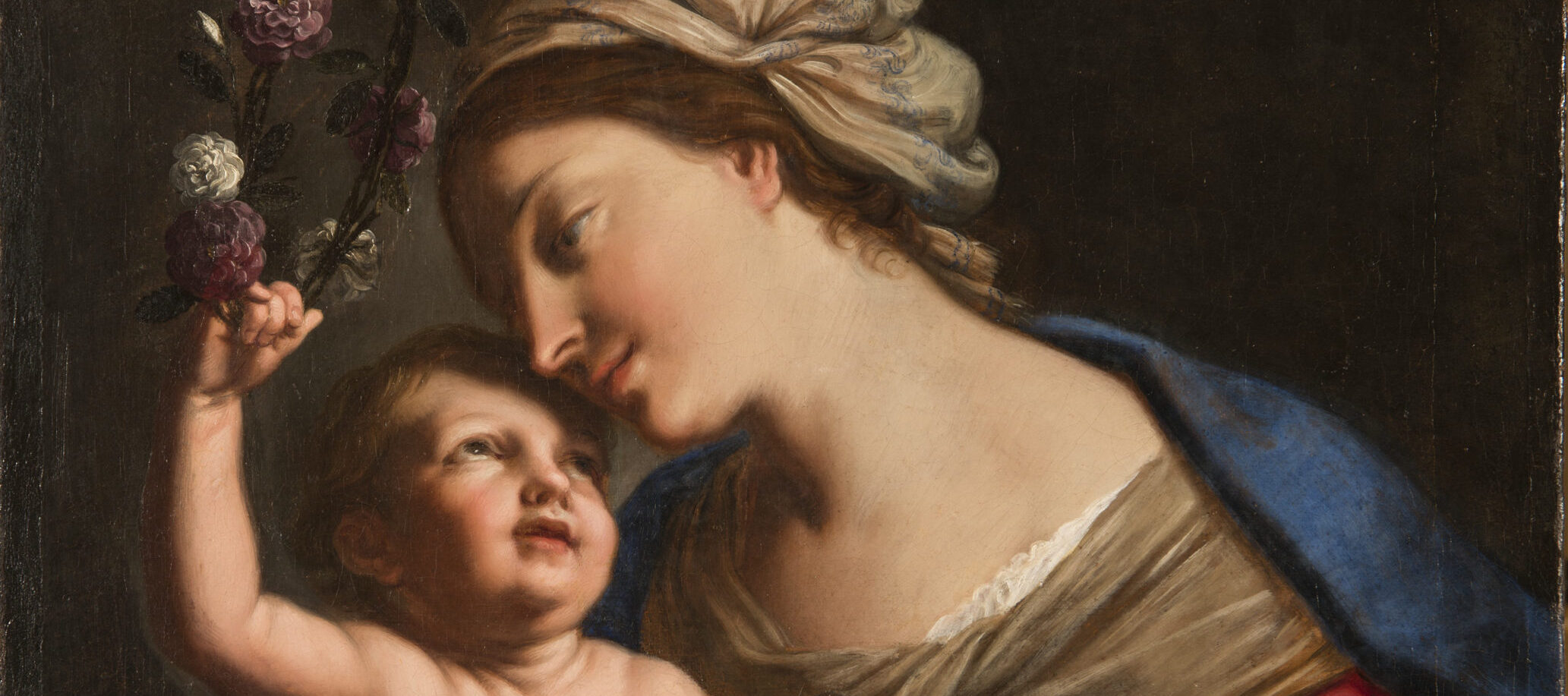
This Virgin and Child, by Elisabetta Sirani, shows the sensitivity of woman’s point of view and the fullness of maternal emotion. Sirani , who painted in the 1600s, was much admired in her day, often attracting travelers from across Europe who would come to watch her paint.
The Mother · Ephesus
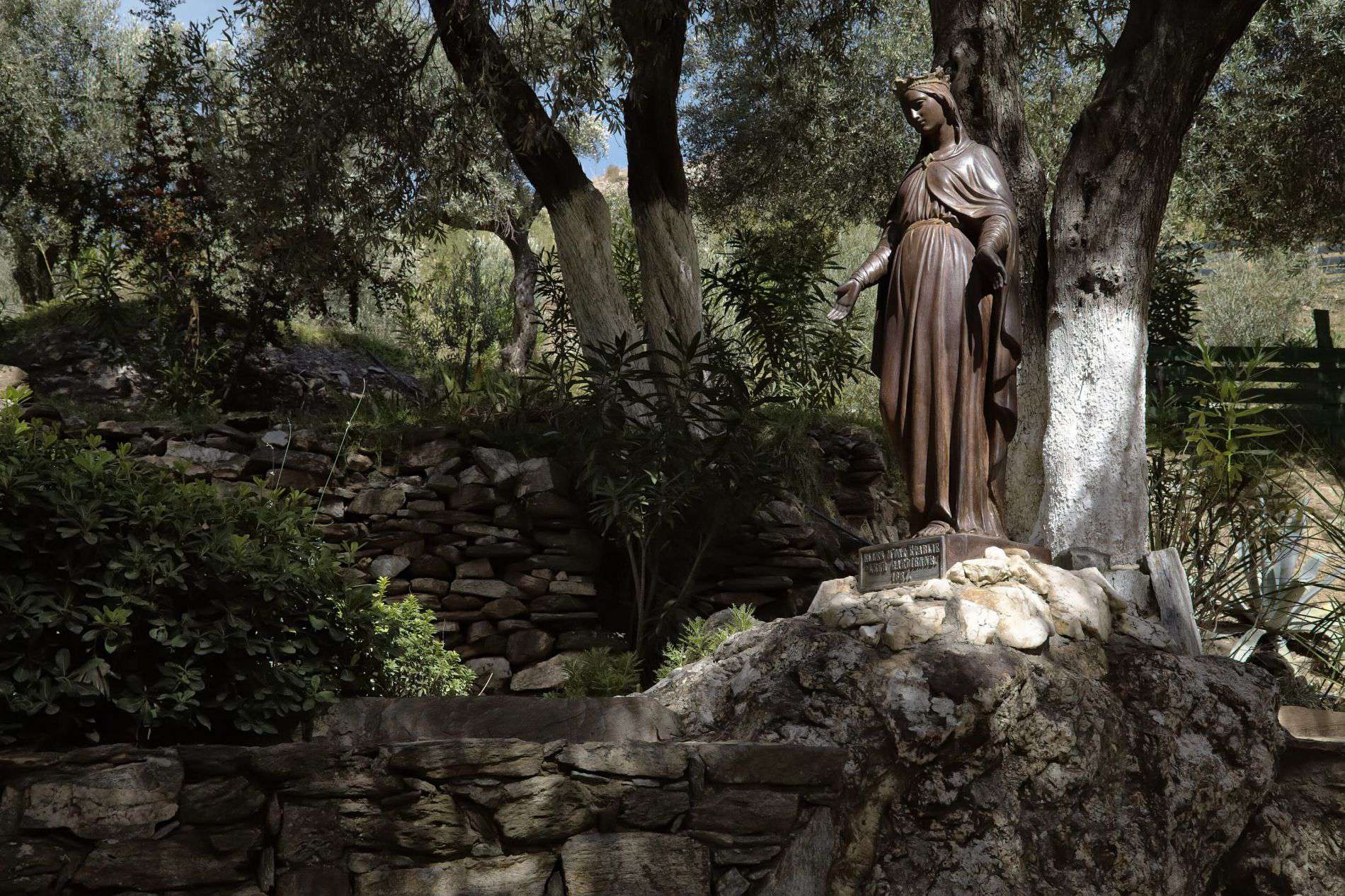
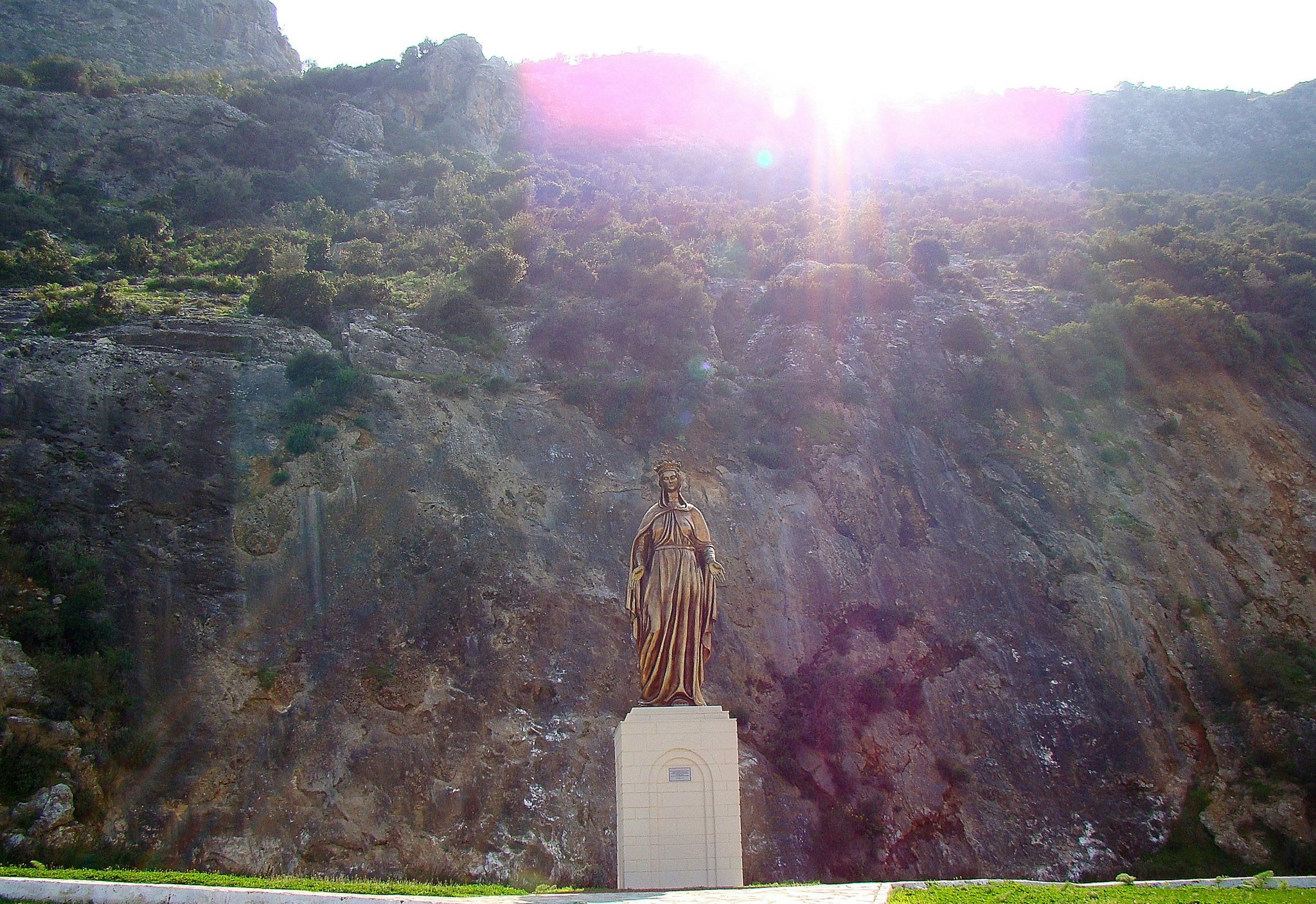
Above Ephesus, on the wooded slopes of the mountain the Turks call Bülbüldağı, the Nightingale Mountain, stands a small stone house.

- Where: Bülbüldağı, the Nightingale Mountain, above Ephesus
- Tradition: Mary spent her last years here, brought by the Apostle John
- 431: the Council of Ephesus declared her Theotokos, Mother of God
- Pilgrims: Christians and Muslims alike; three popes have prayed here
Brought to Ephesus by John
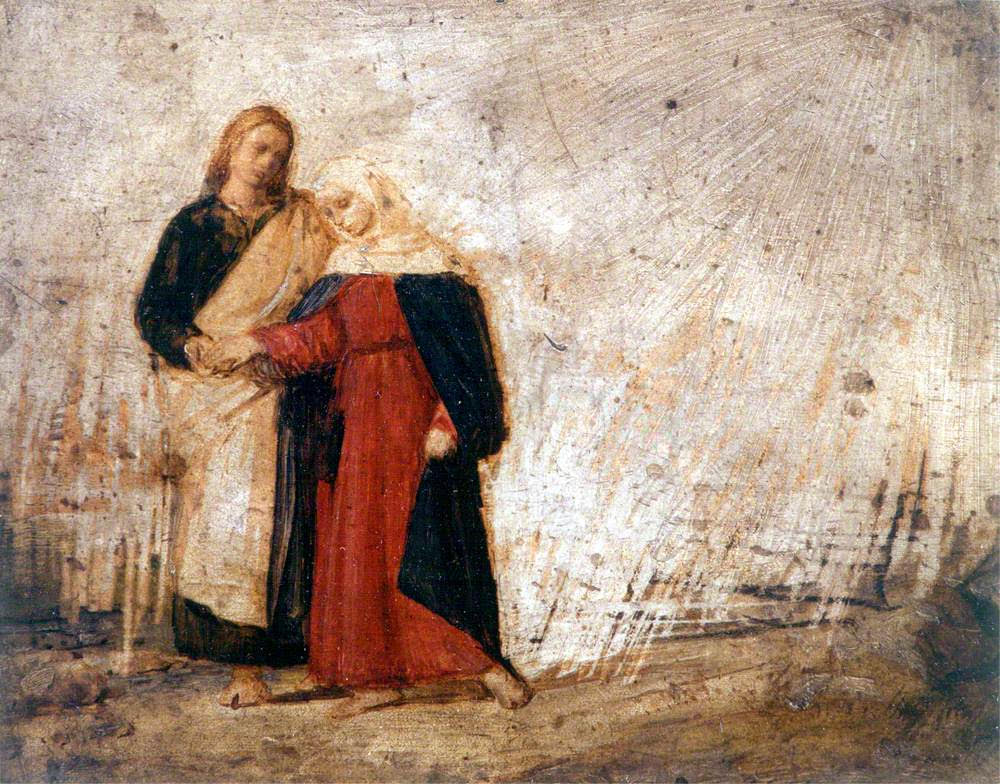
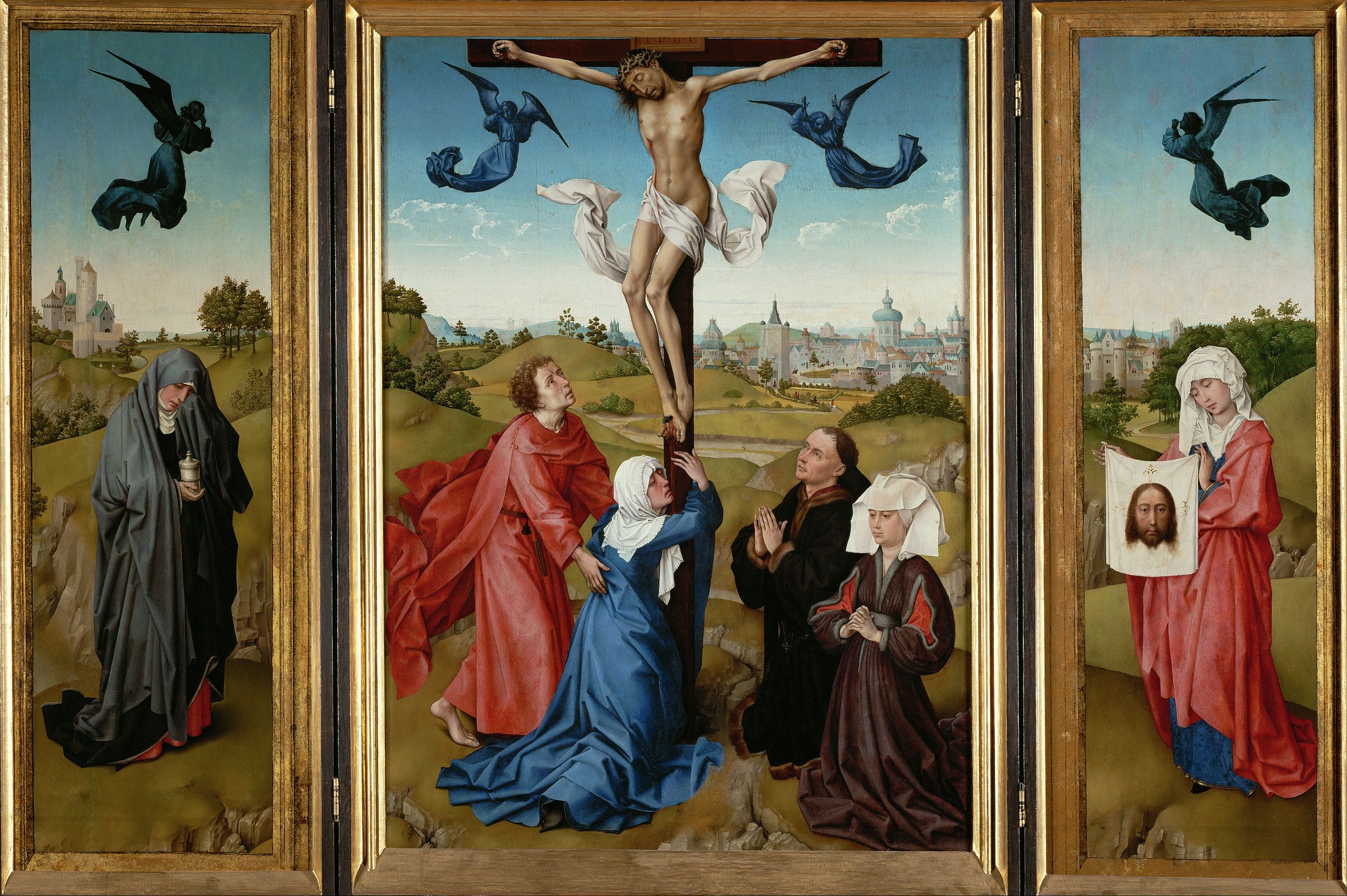
Christian tradition holds that the Virgin Mary spent her last years here, brought to Ephesus by the Apostle John, to whom Jesus had entrusted her from the cross.
Mother of God, in the city of the Mother

In 431 the Council of Ephesus met in the city’s Church of Mary and declared her Theotokos, Mother of God. It is moving that this happened in the very city that had honoured the great mother Artemis for more than a thousand years.
The longing for a divine Mother did not disappear; it found a new face.
A house for every faith
Today pilgrims of many faiths come to her house: Christians, and also Muslims, who revere Maryam as the mother of the prophet Isa. Three popes have prayed here. Below the house, a wall is covered with thousands of small notes and ribbons, wishes and thanks written in every language.
On our journeys this is often the quietest moment: a place where no one has to explain anything, and where many people simply sit and let the Mother be near.


